
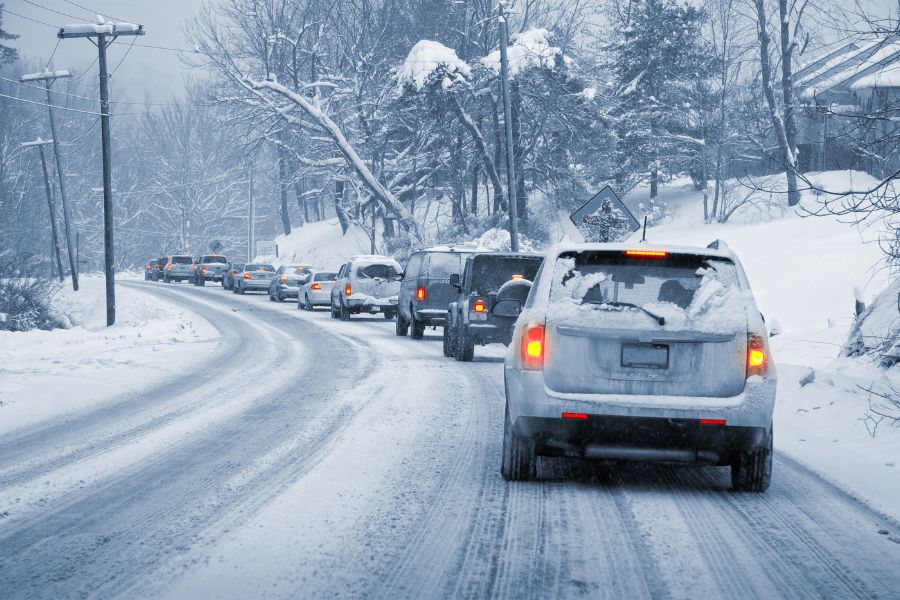
Winter in Northern Nevada brings freezing temperatures, icy roads, and unpredictable weather. Before the chilly season arrives, it is important to make sure your vehicle is prepared. A few simple checks can help prevent breakdowns, reduce accident risks, and keep your car running safely all winter long.
Liberty Collision in Sparks, NV, sees more accidents during winter than at any other time of year. Preparing now can help keep you safe on the road. Here is what every driver should check before winter hits.
1. Inspect Your Tires Before Ice & Snow Arrive
Good tires are essential for safe winter driving in the Reno and Sparks area.
Check the Following:
- Tread depth (aim for at least 4/32″)
- Tire pressure, which drops in cold weather
- Wear patterns that may indicate alignment or suspension issues
- Sidewall cracks or bulges
Worn tires significantly reduce traction on icy and wet roads. If your tires are aging or unevenly worn, consider replacing them before winter storms arrive.
2. Make Sure Your Brakes Are Ready for Winter Roads
Stopping distances increase on slippery surfaces. If you hear squeaking, grinding, or feel vibration when braking, get your brakes inspected now.
Faulty brakes can be extremely dangerous in icy conditions and are a common factor in winter accidents.
3. Check Your Battery & Electrical System
Cold temperatures reduce battery power. If your car has had trouble starting, or if the battery is more than three years old, now is the time for a test.
A weak battery often fails during the first cold snap of the season.
4. Test Your Lights & Visibility Features
Winter driving often means darker commutes and low visibility due to fog or snow. Make sure all lights are working, including:
- Headlights
- Brake lights
- Turn signals
- Fog lights
If lenses are foggy or scratched, consider having them restored for better visibility.
5. Inspect Windshield Wipers & Wiper Fluid
Snow and ice require strong, streak-free wipers. Check for:
- Cracked blades
- Skipping or smearing
- Low washer fluid
Choose a winter-safe washer fluid that will not freeze on cold mornings.
6. Make Sure Your Heating & Defrost Systems Work Properly
A working defroster is essential for safe winter driving. Fogged or frosted windows can limit visibility and increase accident risk.
7. Look for Pre-Existing Damage Before Winter Makes It Worse
Cold weather can worsen small issues like:
- Paint chips that turn into rust
- Cracks in bumpers
- Loose panels
- Misaligned doors
- Sensor damage or wiring issues
Even minor body damage can become more severe once freezing temperatures set in. Winter moisture can creep into small cracks, causing expanding or spreading damage.
Getting repairs done before winter prevents further problems and protects your vehicle’s value.
8. Have Your Safety & ADAS Systems Checked
Modern vehicles rely on sensors and advanced driver assistance systems to keep you safe. Before winter roads get icy, make sure:
- Backup cameras
- Blind spot sensors
- Parking sensors
- Lane assist
- Adaptive cruise control
are working properly. A minor collision or even normal wear can throw these systems off.
If any of your warning lights are on, schedule a diagnostic scan for peace of mind.
Prepare Your Vehicle for a Safe Winter in Reno & Sparks With Liberty Collision
Winter weather increases the risk of accidents, breakdowns, and visibility issues. A quick seasonal check can help prevent costly repairs and keep you safe behind the wheel.
If you notice body damage, sensor issues, or warning lights, or if your car was recently involved in a minor collision, Liberty Collision is here to help.
Contact Liberty Collision today for an inspection or repair before winter arrives. Stay safe on the road this season.
Related Posts

Join Our Newsletter Today
Insider News & Vehicle Tips
