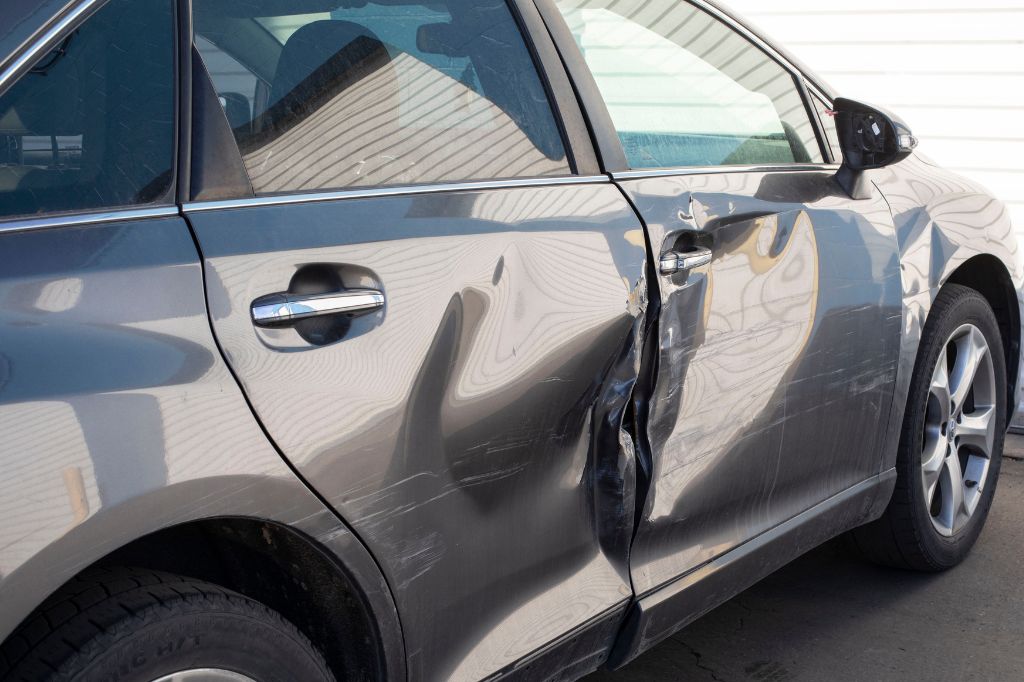
A minor car accident may not seem like a big deal at first. Maybe you were bumped in a parking lot, tapped at a stoplight, or involved in a low-speed fender bender. Your vehicle may still drive normally and look mostly fine, but that does not always mean there is no damage.
Even a minor car accident can cause hidden vehicle damage behind panels, under the bumper, near the frame, around the wheels, or within advanced safety systems. That is why it is important to schedule a collision inspection after an accident, even when the damage looks small.
Liberty Collision helps drivers in Reno, Sparks, and the surrounding area understand what happened to their vehicle, what damage may be present, and what repairs are needed.
Why Minor Car Accidents Can Still Cause Hidden Vehicle Damage
Modern vehicles are designed to absorb impact and protect passengers. While that is important for safety, it also means damage is not always visible from the outside.
A bumper may look lightly dented while components underneath have shifted. A wheel may appear fine while the alignment has been affected. Sensors, cameras, or safety systems may also need attention, even if warning lights do not appear right away.
Hidden damage can happen after:
- Parking lot accidents
- Low-speed rear-end collisions
- Fender benders
- Curb impacts
- Side impacts
- Storm-related impacts
- Road debris damage
- Accidents where the vehicle still drives normally
A professional inspection can help confirm whether your vehicle is safe, structurally sound, and performing as it should.
Signs Your Vehicle May Have Hidden Damage After a Minor Accident
Hidden collision damage often shows up through small changes in how your vehicle looks, sounds, or drives. These signs should not be ignored.
Schedule a collision inspection if you notice:
- The steering wheel pulls to one side
- The vehicle feels different while driving
- New noises after the accident
- Uneven tire wear
- A door, trunk, or hood does not close properly
- Gaps between panels look uneven
- Warning lights appear
- Fluid leaks
- The vehicle vibrates or shakes
- The bumper feels loose
- Sensors or cameras seem off
Small changes can point to larger issues beneath the surface.
Hidden Frame or Structural Damage After a Collision
Frame and structural components help support your vehicle and protect passengers. After an accident, even a minor one, these areas may be bent, shifted, or weakened without obvious exterior signs.
Structural damage can affect:
- Crash protection
- Wheel alignment
- Door and panel fit
- Suspension performance
- Vehicle handling
- Long-term safety
A collision inspection can help determine whether the structure of your vehicle was affected by the impact.
Alignment & Suspension Damage After a Minor Accident
If your vehicle hit a curb, was struck from the side, or absorbed impact near a wheel, alignment and suspension components may be affected. Drivers may not notice the problem right away, but over time, it can lead to pulling, vibration, uneven tire wear, or a rougher ride.
Your vehicle may need an inspection if:
- It pulls left or right
- The steering wheel is off-center
- Tires wear unevenly
- The ride feels rougher
- You hear clunking or rattling
- The steering feels different
- The vehicle feels unstable
Driving with alignment or suspension damage can create additional wear and may affect safety.
Sensor & Safety System Damage After a Minor Collision
Many newer vehicles include advanced driver-assistance systems, cameras, sensors, and safety technology. A small impact near the bumper, mirror, grille, or windshield area can affect these systems or their calibration.
Depending on your vehicle, a collision may affect:
- Backup cameras
- Parking sensors
- Blind spot monitoring
- Lane assistance features
- Collision warning systems
- Airbag-related components
- Camera or radar systems
When these systems are not working properly, they may not respond as expected when you need them.
Hidden Damage Behind the Bumper
The visible bumper cover is only one part of the bumper system. Behind it, there may be brackets, absorbers, sensors, reinforcement bars, and other components that help manage impact.
A bumper can pop back into place or show only light damage while hidden components underneath need repair or replacement.
Hidden bumper damage may affect:
- Impact absorption
- Sensor performance
- Panel alignment
- Trunk or hatch fit
- Safety system function
- Future collision protection
A quick visual check is not always enough to know whether the bumper system is functioning correctly.
Electrical Issues After a Minor Car Accident
Some collision damage affects wiring, sensors, connectors, or electrical components. These issues may not show up immediately. A warning light may appear days later, or a feature may stop working unexpectedly.
Electrical concerns may include:
- Warning lights
- Sensor errors
- Camera issues
- Lighting problems
- Battery or wiring concerns
- Intermittent system warnings
- Features not responding correctly
Diagnostic scanning can help identify issues that are not visible during a basic inspection.
Why You Should Not Ignore Minor Collision Damage
It can be tempting to ignore minor damage, especially if the vehicle still drives. However, delaying an inspection can make problems harder to address later.
Hidden damage may worsen over time, create additional wear, or affect your vehicle’s safety systems. Waiting can also lead to:
- More expensive repairs later
- Tire wear
- Alignment problems
- Safety concerns
- Insurance documentation issues
- Reduced vehicle value
- Problems during future repairs or resale
Getting your vehicle inspected gives you a clearer understanding of what happened and what needs attention.
Should You File an Insurance Claim for Minor Vehicle Damage?
Not every minor accident leads to an insurance claim, but it is helpful to understand the full extent of the damage before deciding what to do.
A professional collision estimate can help you understand:
- What damage is visible
- Whether hidden damage may be present
- What repairs are recommended
- Whether the vehicle is safe to drive
- What information insurance may need
- Possible next steps
You do not have to guess based on the outside appearance of your vehicle.
What Happens During a Collision Damage Inspection?
During a collision damage inspection, our team reviews the visible damage, listens to your concerns, and looks for signs that additional damage may be present.
Depending on the accident and vehicle, we may recommend further inspection, measurements, diagnostic scanning, or repair planning.
A collision inspection may include:
- Reviewing the point of impact
- Checking exterior damage
- Looking for uneven gaps or misalignment
- Inspecting related components
- Reviewing safety system concerns
- Checking for drivability issues
- Discussing insurance and repair options
The goal is to help you understand what your vehicle needs before repairs begin.
When to Schedule a Collision Inspection in Reno or Sparks
You should schedule an inspection after any accident that causes visible damage, changes how your vehicle drives, or leaves you unsure about safety.
Schedule an inspection if:
- You were rear-ended
- You hit a curb
- Another vehicle hit your bumper
- Your vehicle feels different
- You notice warning lights
- Doors, hood, or trunk do not close normally
- The vehicle pulls or vibrates
- You are unsure whether it is safe to drive
Peace of mind starts with knowing what is actually going on.
Schedule Minor Collision Repair With Liberty Collision in Reno & Sparks
A minor car accident can still cause hidden vehicle damage. Even if your vehicle looks fine, an inspection can help identify issues that may affect safety, performance, and long-term reliability.
Liberty Collision provides collision repair and damage inspections for drivers throughout Reno, Sparks, and the surrounding area. We can help you understand the damage, review your repair options, and get your vehicle back on the road with confidence.
Related Posts
Join Our Newsletter Today
Insider News & Vehicle Tips
