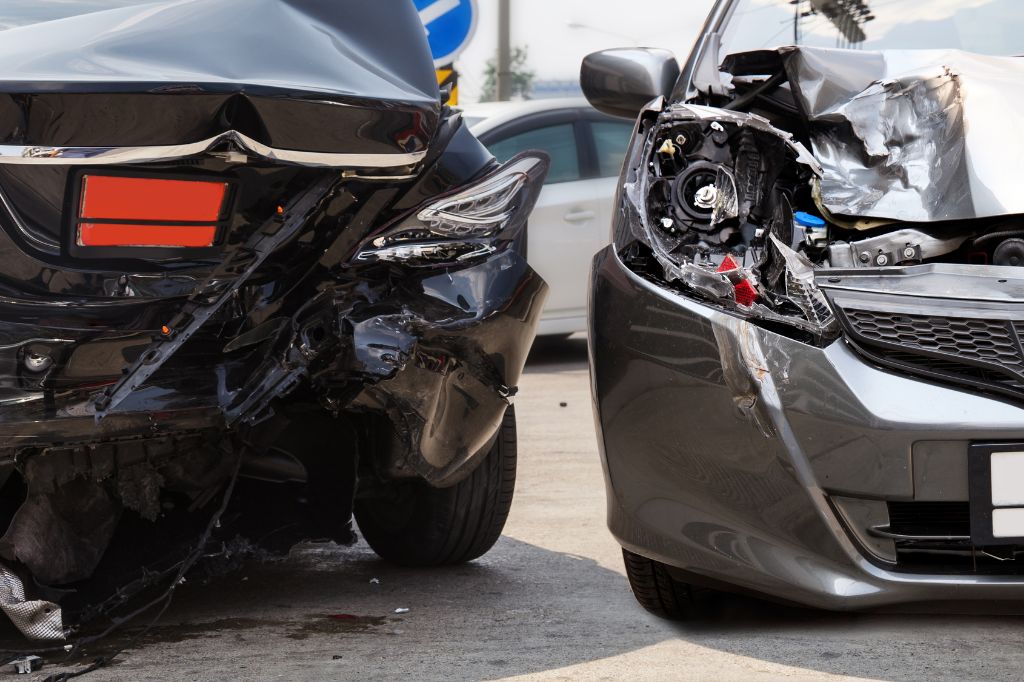
After an accident, your repair estimate may include several different types of replacement parts. You might see terms like OEM, aftermarket, recycled, or LKQ without much explanation of what they mean.
Those differences are worth understanding before repairs begin.
Liberty Collision has more than 30 years of collision repair experience serving Reno and Sparks, and our team regularly helps drivers understand what is included in an estimate and why certain parts may be recommended.
OEM vs. Aftermarket vs. Recycled Auto Parts
Not every replacement part comes from the same source. Here is what the most common terms on a collision repair estimate mean.
OEM Parts
OEM stands for Original Equipment Manufacturer.
These parts are made by or for the vehicle manufacturer and are designed specifically for your make and model. They are built to the manufacturer’s specifications for fit, materials, and compatibility with the vehicle’s systems.
Liberty Collision follows manufacturer repair procedures and prioritizes OEM parts whenever possible.
Aftermarket Parts
Aftermarket parts are new replacement parts made by a company other than the vehicle manufacturer.
Quality can vary depending on the manufacturer and the component. Some aftermarket parts are certified by organizations such as CAPA, while others may vary more in fit, finish, or materials.
For certain cosmetic repairs, a quality aftermarket part may work well. For other components, especially those connected to vehicle structure or safety technology, proper fit and manufacturer specifications become much more important.
Recycled or Used Parts
Recycled parts, sometimes listed as LKQ or “like kind and quality,” are original parts removed from another vehicle.
Depending on the component and its condition, these parts may be an option during a repair. A used exterior panel, for example, is a very different consideration than a safety-related component.
That is why the type of part matters just as much as the label on the estimate.
Why Your Collision Estimate May Include Aftermarket Parts
Insurance estimates may include a combination of OEM, aftermarket, recycled, and repaired parts depending on the vehicle, policy, availability, and type of damage.
That does not automatically mean the repair plan is wrong. It does mean it is worth understanding what is being proposed before work begins.
Our team can walk you through the estimate, explain the parts listed, and identify areas where manufacturer repair procedures or vehicle technology may affect the final repair plan.
You can also read more about how the insurance process works before bringing your vehicle in.
When Does the Difference Between OEM and Aftermarket Parts Matter Most?
For some exterior components, the difference may primarily come down to fit and finish.
For structural components and parts connected to advanced safety systems, precision becomes much more important.
Vehicle Structure & Crash Performance
Modern vehicles are designed with specific materials, attachment points, and structures that work together during a collision.
When structural components need to be replaced, following the vehicle manufacturer’s repair procedures helps make sure the repair restores the vehicle as intended.
ADAS Sensors & Calibration
Many newer vehicles use cameras, radar sensors, and other advanced driver assistance systems, commonly referred to as ADAS.
These systems may be mounted behind bumpers, grilles, mirrors, or windshields, and even small changes in positioning can affect how they operate.
That is why diagnostic scanning and ADAS recalibration can be an important part of modern collision repair.
How to Read the Parts Section of a Collision Estimate
The abbreviations on an estimate can be confusing, but a few common terms can help you understand what is being proposed.
- OEM, OE, or New: A new part from the vehicle manufacturer
- A/M or AM: A new aftermarket part
- CAPA: An aftermarket part certified by the Certified Automotive Parts Association
- LKQ, Used, or Recycled: An original part removed from another vehicle
- Reconditioned: A previously used part that has been repaired or restored
You may also see a line listed as “repair” rather than “replace.” That simply means the existing part is expected to be repaired instead of replaced.
The first estimate is also not always the final repair plan. Once a vehicle is disassembled, technicians may uncover additional damage that was not visible during the initial inspection.
Our article on the difference between an estimate and a repair plan explains that process in more detail.
Can You Ask About OEM Parts?
Yes. If you see aftermarket or recycled parts listed on your estimate, you can ask your repair shop or insurance company why they were selected and whether an OEM option is available.
Coverage depends on the individual insurance policy, vehicle, repair, and carrier. Some policies may also offer OEM parts coverage or an OEM endorsement.
If OEM parts are important to you, it is worth reviewing your policy before you ever need collision repair. Liberty Collision discusses this further in our guide to asking about an OEM parts policy.
Choosing a Collision Repair Shop After an Accident
Your repair shop plays an important role in turning an initial estimate into a complete repair plan.
A qualified collision repair team can review the visible damage, identify hidden issues, research manufacturer procedures, test-fit replacement components, and communicate with the insurance company when additional repairs or parts are needed.
Liberty Collision is a family-owned, independent repair shop serving Reno and Sparks, and we work with all insurance providers and policies.
You can learn more about choosing a repair facility in our guide to direct repair programs.
What Happens if a Replacement Part Does Not Fit Properly?
Proper fit matters for appearance, but it can also matter for sensors, mounting points, and surrounding components.
If a replacement part does not fit the vehicle correctly, the repair plan may need to change. That can include documenting the issue, reviewing manufacturer specifications, or submitting additional information to the insurance company before repairs continue.
Liberty Collision follows OEM repair procedures and uses manufacturer guidelines throughout the repair process. Our collision repair services also include post-repair electronic diagnostics and calibration when needed.
Liberty Collision: Collision Repair in Reno & Sparks
If you received a collision estimate and are not sure what the parts list means, bring it to Liberty Collision before repairs begin.
Our team provides collision repair for Reno and Sparks drivers using manufacturer repair procedures, trained technicians, and a thorough repair-planning process. We can review your estimate, explain the parts being recommended, and help coordinate with your insurance company along the way.
Call (775) 329-3368 or contact Liberty Collision online to schedule an estimate at our Sparks shop.
Related Posts

Join Our Newsletter Today
Insider News & Vehicle Tips
